
Watch Down by Law online
Can you stream the Comedy, Crime & Drama movie Down by Law, directed by Jim Jarmusch & starring John Lurie, Nicoletta Braschi, Roberto Benigni & Tom Waits on Netflix, Hulu or Amazon Prime?
Streaming Guide: Down by Law
 Two innocent people are arrested. An interesting third person, with broken English, joins them in their cell. On his idea, they decide to escape from the prison. Their journey is the rest of the movie.
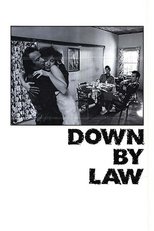 Two innocent people are arrested. An interesting third person, with broken English, joins them in their cell. On his idea, they decide to escape from the prison. Their journey is the rest of the movie.
 TAGLINE: "It's not where you start - It's where you start again." All streaming services available



Its release date is Saturday September 20, 1986
Production details
| Director | Jim Jarmusch |
| Cast | John Lurie, Nicoletta Braschi, Roberto Benigni & Tom Waits |
| Genre | Comedy, Crime & Drama |
| Country of origin | Germany & The United States |
| Release date | 1986-09-20 |
| Theme | Conviction, Escape, Fight, Independent Film, Louisiana, Pimp, Prison & Prostitute |
| Place setting | Louisiana |
| Location | New Orleans |
| Script | Jim Jarmusch |
| Cinematography | Robby Müller |
| Music | Tom Waits |
| Runtime | 107 min |
Trailer
Other Comedy Crime Movies on Netflix


Spenser Confidential | Mar 6th, 2020

 6.2/10 | By Peter Berg
Other Jim Jarmusch Movies on Amazon Prime

Down by Law | Sep 20th, 1986
7.8/10 | By Jim Jarmusch
The Limits of Control | May 1st, 2009
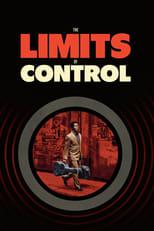 6.3/10 | By Jim Jarmusch







Other Comedy Crime Movies on Amazon Prime Video


Other Comedy Crime Movies on Hulu
The Man Who Knew Too Little | Nov 14th, 1997
 6.6/10 | By Jon Amiel

The Voices | Jan 19th, 2014
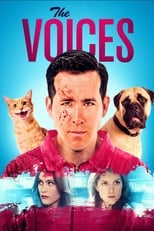 6.4/10 | By Marjane Satrapi
One for the Money | Jan 26th, 2012
 5.3/10 | By Julie Anne Robinson